Five ways in, built around one idea: start with interest.
Every program maps to real NDIS budget categories — ask your support coordinator which fits your plan, or let us help you work it out.
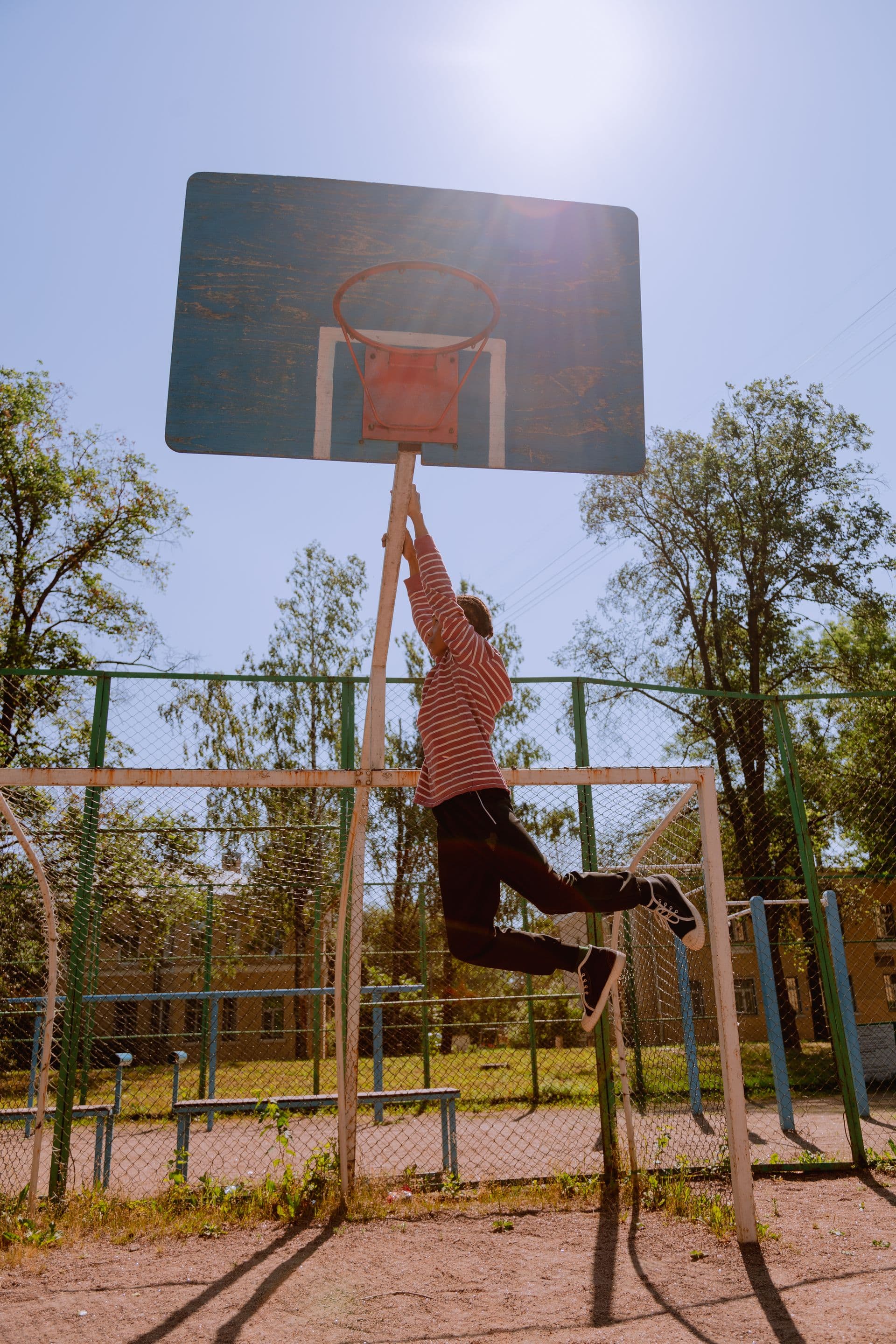
Community Participation
Whether it's Saturday sport, an art class, the local library or a youth group, your mentor shows up alongside your child — building confidence, independence and social connection in spaces that already feel like theirs.
- Building confidence in public spaces
- Trying new community activities
- Reducing 1:1 reliance on family
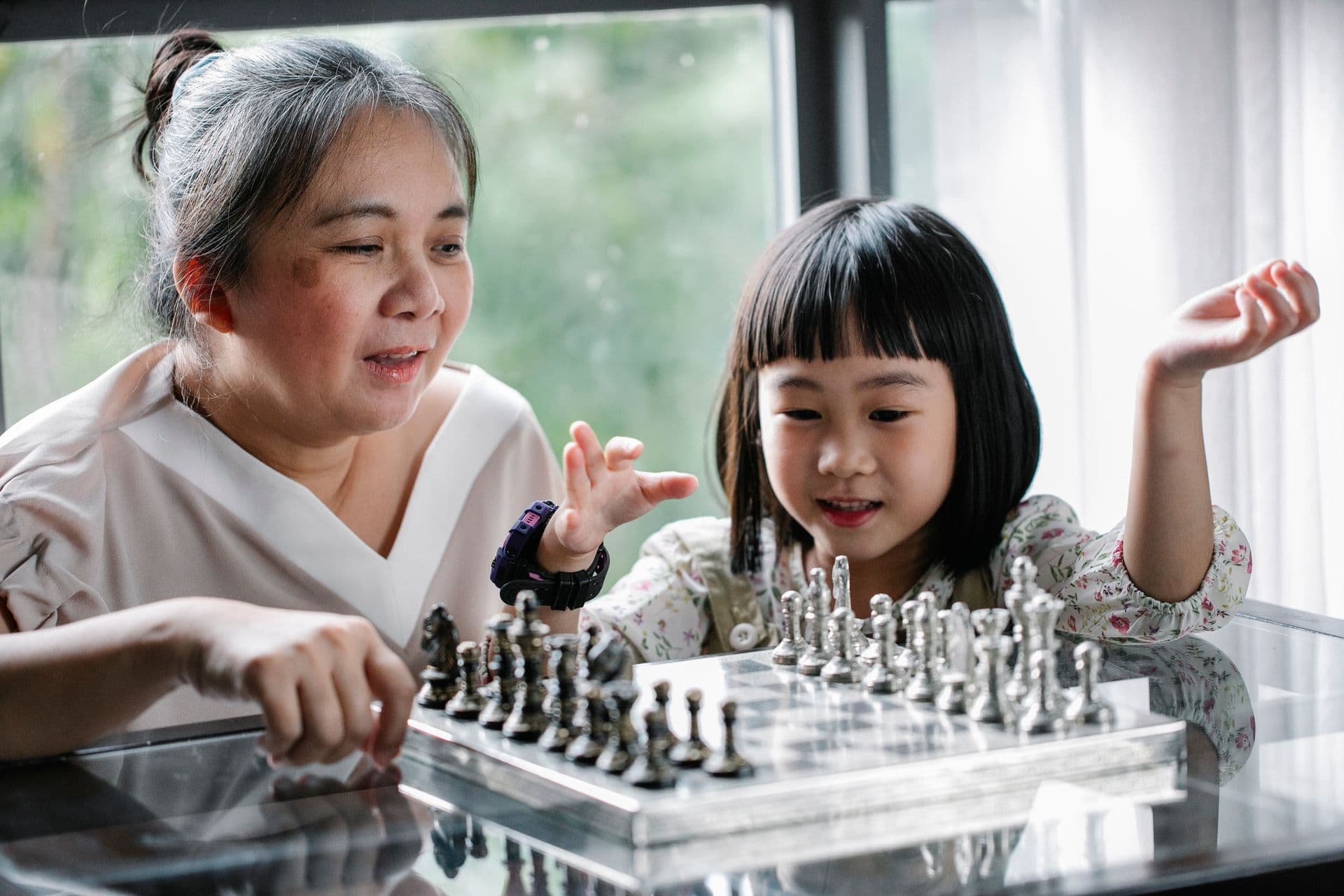
1:1 Play-Based Mentoring
Dinosaurs, Minecraft, drawing, trains, trampolining — we start with genuine interest, not a worksheet. Trust comes first; developmental goals are woven in once the relationship is real.
- Kids who shut down with clinical approaches
- Building a trusted, consistent adult relationship
- Early engagement before group settings
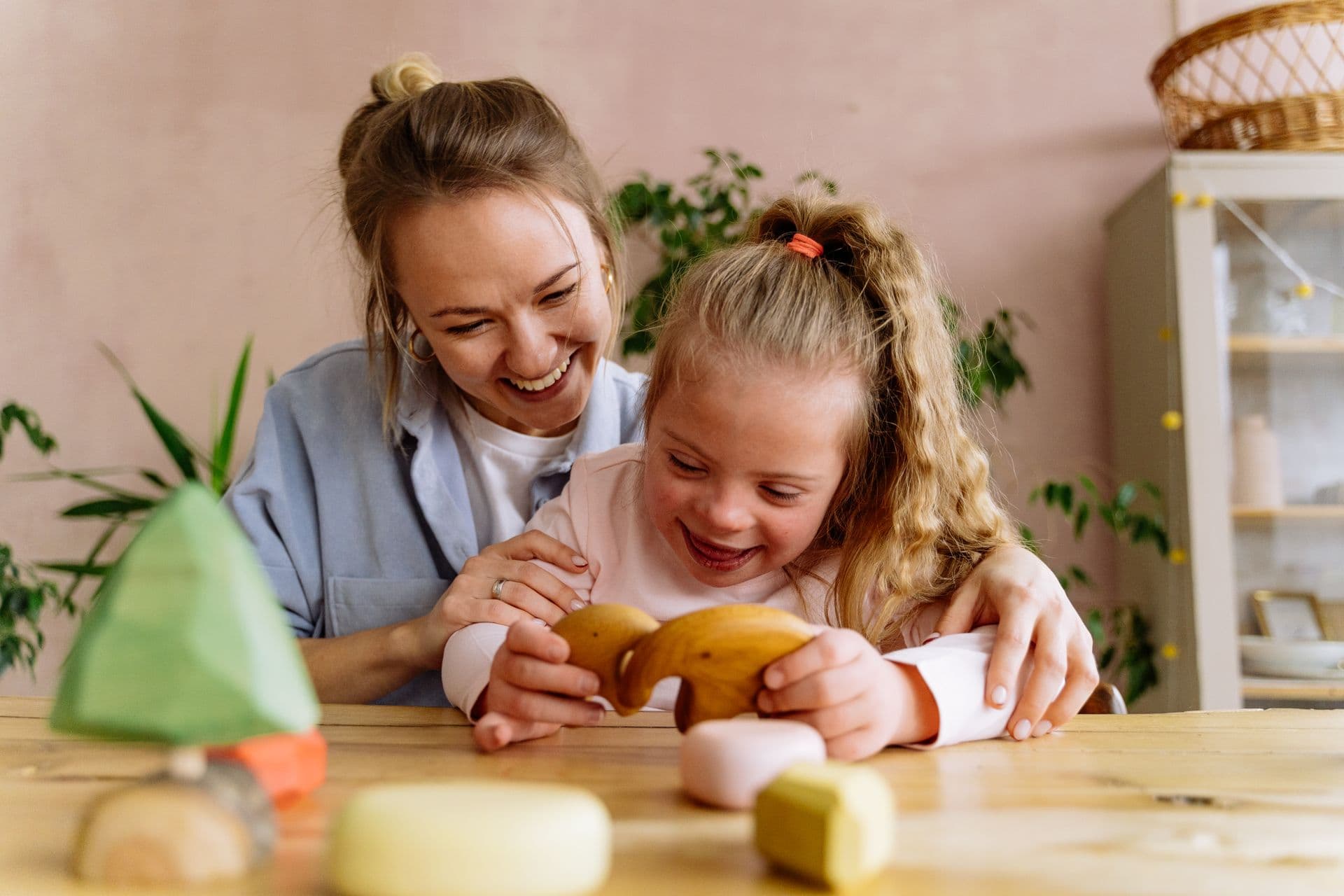
Capacity Building
Communication, emotional regulation, independence and daily living skills, practised in the moments that matter — ordering a drink, managing a tricky transition, taking turns in a game.
- Communication & self-expression goals
- Emotional regulation strategies
- Independence & daily living skills
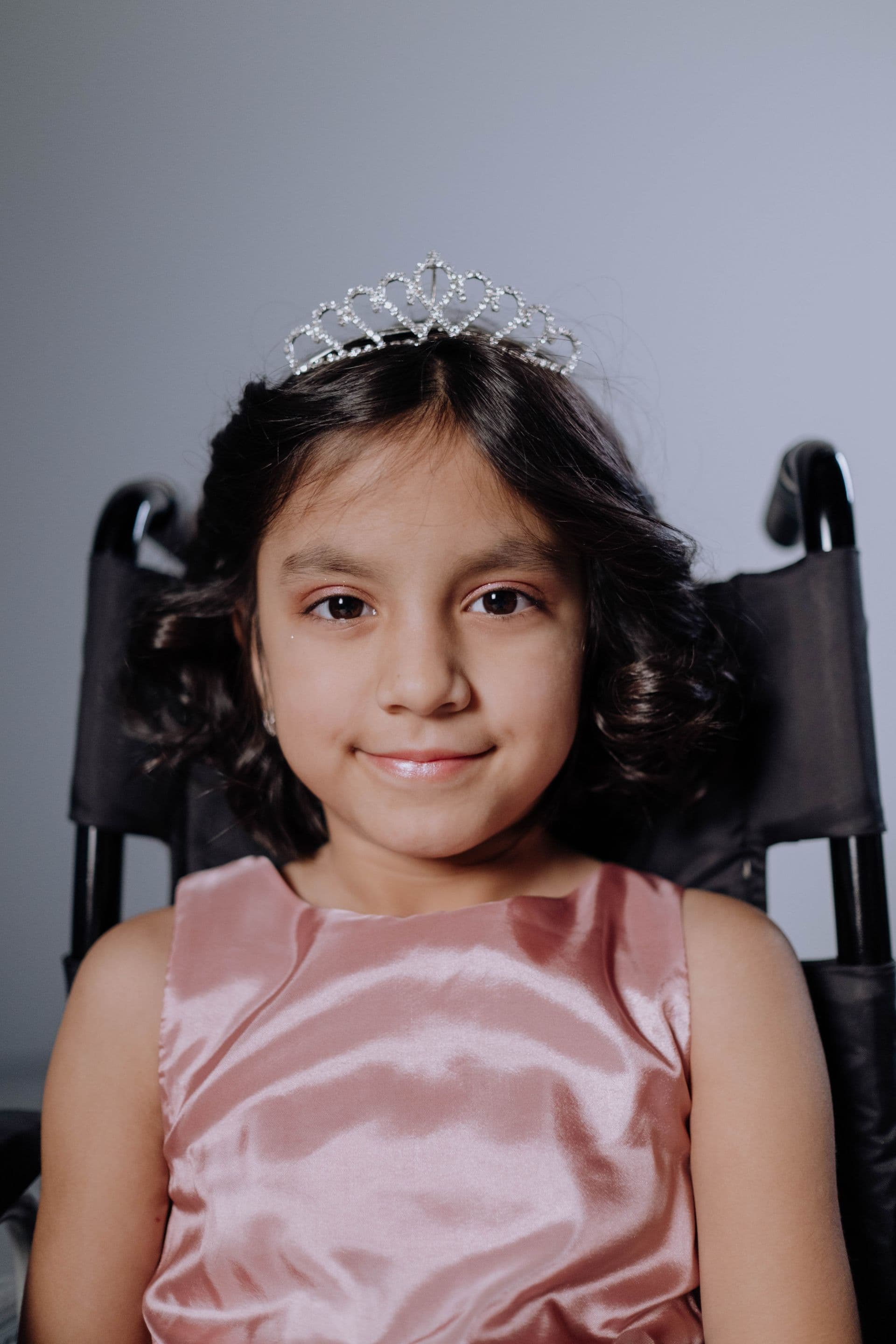
School Holiday Programs
Small-group holiday programs themed around whatever's trending with our crew that term — from stop-motion animation to backyard cricket — with the same mentoring ratio and care as term-time sessions.
- Keeping routines during school breaks
- Trying a new interest with peers
- Respite with purpose
Not sure which program fits?
Tell us a bit about your child and your plan — we'll recommend the right starting point.
Social & Friendship Groups
Low-pressure, high-interest groups — Pokémon club, Lego league, art collective — where social skills get practised because kids want to be there, not because they're told to.